

The Generation
That Forgot
How To Sleep
Why so many people are waking up exhausted despite spending seven, eight, or even nine hours in bed.








Where It All Started
We have stopped noticing how tired we are.
Over nearly 30 years of consultations, I have noticed a trend.
In fact, it may be one of the biggest health trends I have ever observed.
People are becoming more tired.
More fatigued.
More exhausted.
Yet at the same time, people seem less and less able to access deep, restorative sleep.
Something is changing.
And I do not believe most people realise it.
Interview · Transcript
A conversation that keeps repeating itself.
How is your sleep?
"Fine."
Do you get to sleep easily?
"Not really. It usually takes me about 20 to 30 minutes."
Do you wake up during the night?
"Only once or twice to go to the toilet."
Do you wake up feeling refreshed, rejuvenated and full of energy?
"No. Never. I usually hit snooze a few times before I get up."
Now stop and think about that.
The Wake-Up Call
Rethinking What We Call "Normal" Sleep
That same person started the conversation by telling me they sleep fine.
No they don't. They have simply become accustomed to poor sleep. And this is happening everywhere.
People have normalised tiredness.
They have normalised fatigue.
They have normalised waking during the night.
They have normalised waking exhausted.
They have normalised needing stimulants to get through the day.
The abnormal has become normal and that is dangerous.

The abnormal has become normal.
And that is dangerous.
If I had to estimate conservatively, somewhere between 75% and 85% of the people who come to see me complain of low energy, fatigue, poor concentration, brain fog, lack of motivation or simply feeling worn down.
So I often ask a simple question:
"Where does energy come from?"
Most people answer:
"Food."
Then I reply:
"If that's true, why don't you simply eat more food and get more energy?"
At which point they usually laugh.
Because they already know that doesn't work.
A car can have a full tank of petrol and still fail to start if the battery is flat.
Food matters.
But there is something else happening.
And one of the places we need to look is sleep.


People have normalised tiredness.
Unfortunately, we have also become trapped in a number of health dogmas. Salt is bad for you. Everyone needs exactly three litres of water. Everyone needs exactly eight hours of sleep. Life is rarely that simple. There is nuance. Because one of the biggest mistakes people make is focusing exclusively on how long they sleep.
The more important question is: How deeply do you sleep? That distinction changes everything. What if somebody sleeps for eight hours but never reaches the deepest levels of sleep? What if somebody spends nine hours in bed but wakes up exhausted? What if the real issue is not sleep duration but sleep depth?
That is exactly what we will be exploring. Because I believe one of the greatest health crises of our time is not simply that people are sleeping less.It is that people are gradually losing the ability to access the deepest levels of sleep. I now regularly see people in their 30s waking several times during the night to urinate. A generation ago, that was largely associated with much older people. Why is that happening? I see people stimulating their brains right up until bedtime. Why?I see people carrying phones into the bedroom. Why? I see people exposing themselves to artificial light late into the evening.

The Deep Sleep Effect
The Missing Link Between Sleep and Full Recovery
I see people unknowingly sabotaging their own sleep every single night.
And then wondering why they feel exhausted.
Over the next few days I am going to unpack some of the biggest sleep mistakes I see repeatedly.
Some of them are surprisingly simple.
Some of them may be accelerating ageing.
Some of them may be costing people years of vitality.
And some of them can begin to improve remarkably quickly once identified.
I will also share some of the strategies I personally use.
Because whilst I occasionally push myself hard and work longer than I should, I became interested a long time ago in one thing:
Not simply sleeping.
Deepening sleep.
There is a difference.
And that difference may change everything.
Tomorrow we begin exploring one of the most important concepts in all of health.
Stage 4 sleep.
The deepest level of sleep.
The level where some of the body's most important restorative processes take place.
The level many people rarely reach.
And the level that may explain why so many people wake up tired despite spending seven, eight or even nine hours in bed.

Sleep is not simply about
how long you sleep.
It is about how deeply you sleep.
— Derin Bepo

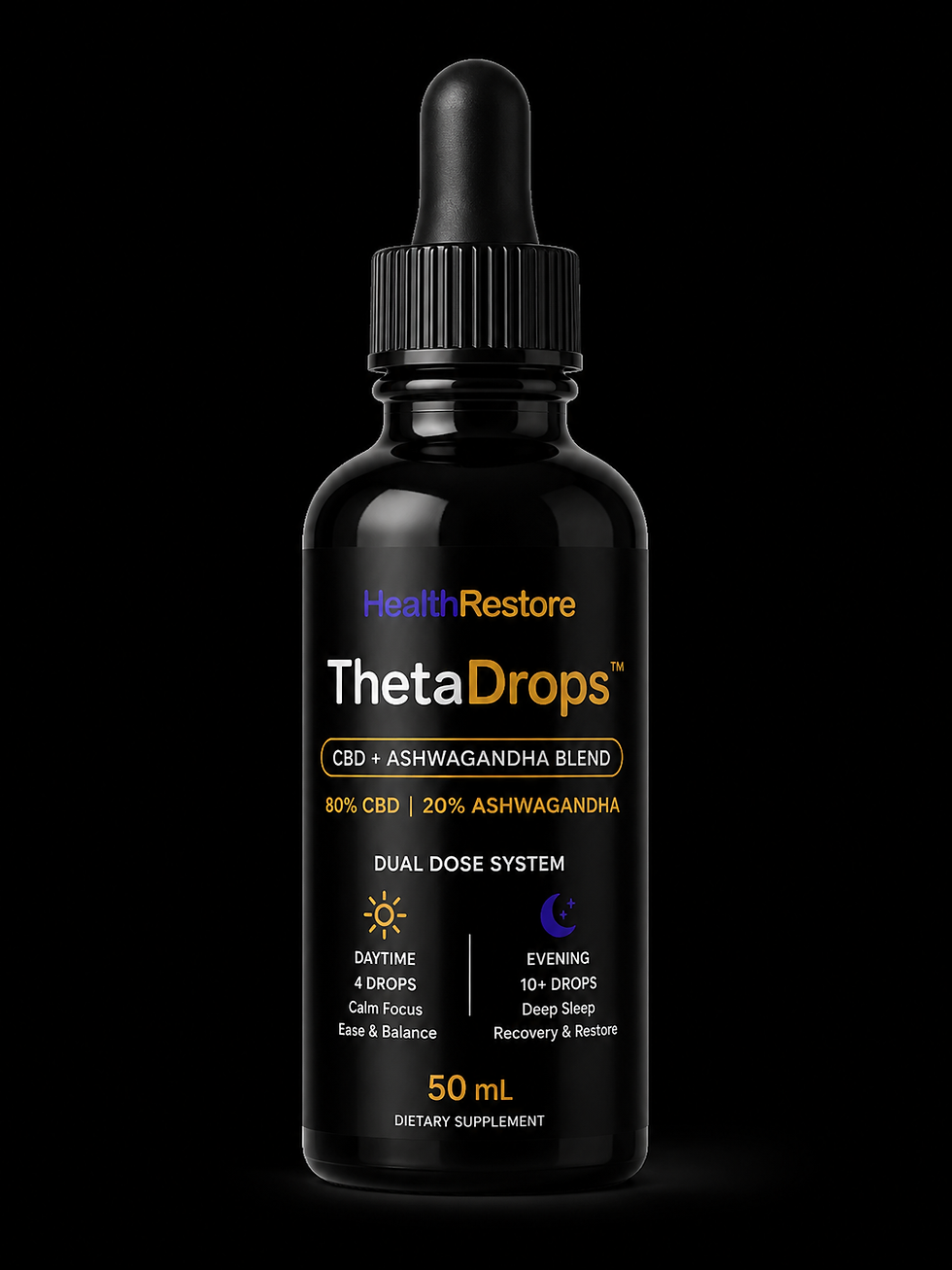
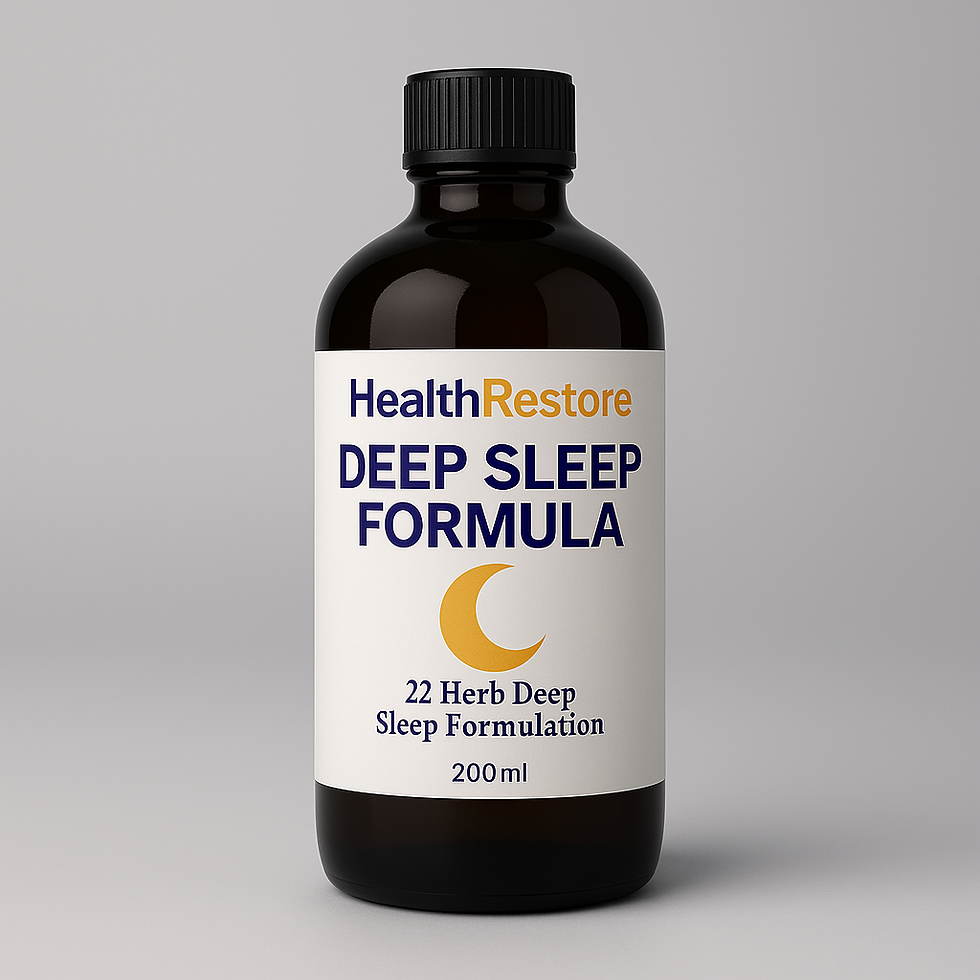
Explore the The HealthRestore family of sleep solutions


Book Your Full Consultation And Sleep Assessment


Derin Bepo
Natural Health Consultant
Developer Of HealthRestore Programme